
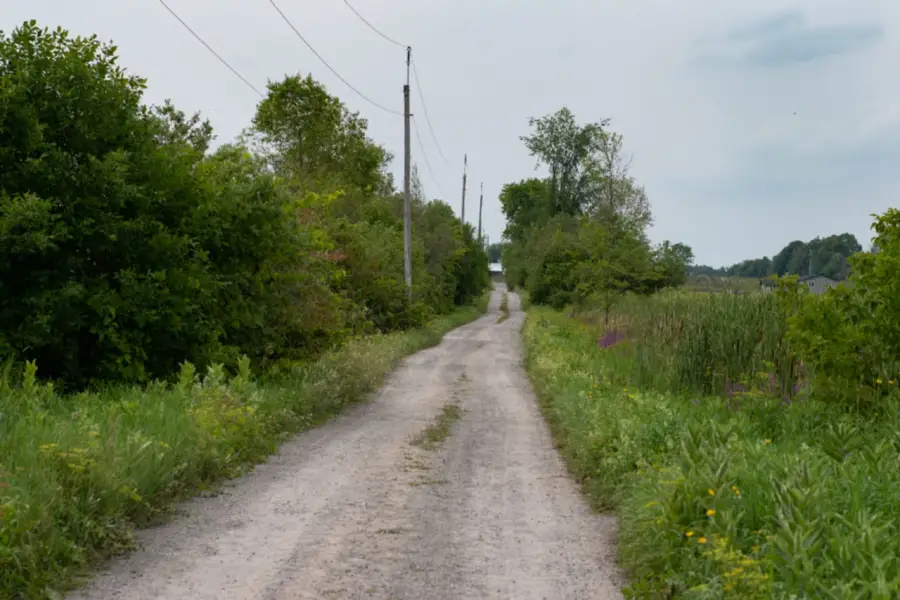
Gigante de Piedra (Gravel)
Key facts
- Date:
- 6 Jun 2026
- Edition:
- 2026
- Type:
- One-day (XC / race)
- Alcora · C. Valenciana · Spain
- Distances:
- 200 km; 115 km
- Elevation:
- 6.500 m (200)
- Price:
- Por confirmar
About
Gigante de Piedra is one of the most demanding single-day gravel events in inland Spain. Starting from Alcora in Castellon, riders choose between 200 km with 6,500 metres of elevation gain linking ten mountain passes across the Castellon-Teruel border, or a 115 km route for a significant but more contained challenge. Arid limestone terrain, long climbs through the Maestrazgo highlands and sweeping views over one of Spain's most rugged interior landscapes define the race. Push Rider's threshold-build phase targets 30-to-60-minute blocks above FTP for the long format, while weekly coach review refines the heat-specific hydration strategy and builds mental resilience for sustained exposure on the exposed Aragon-Castellon plateau. An essential date for gravel riders who seek hard racing in stark inland terrain.
Frequently asked questions
When does the Gigante de Piedra Gravel 2026 take place?
The Gigante de Piedra Gravel 2026 takes place on 6 June.
What distances and elevation gain does the event offer?
The event offers two distances: 200 km and 115 km. The 200 km distance accumulates 6,500 metres of elevation gain. The elevation for the 115 km distance should be confirmed on the official website.
Where is the start?
The start is in Alcora, in the province of Castellón.
What makes the route special?
The 200 km distance crosses 10 mountain passes between the provinces of Castellón and Teruel.
How to prepare for the Gigante de Piedra Gravel with PUSH TRAINING 360?
The 200 km Gigante de Piedra with 6,500 m of elevation crossing 10 mountain passes is one of the most demanding single-day events. The 12-week PUSH TRAINING 360 plan with weekly review must be oriented toward sustaining many hours of accumulated effort. The 4 phases are: aerobic base to maximise pedalling economy over long distances, threshold construction to manage effort on each pass, specificity loading with long rides of 150-180 km including high-mountain climbs, and a taper in the final week. The 3-phase nutrition approach is critical: maximum glycogen loading beforehand, an hourly carbohydrate fuelling plan during the expected 8-10 or more hours on the bike, and full protein recovery after the event. Race strategy must account for careful energy management on the early passes to avoid running empty in the final section.
Want us to coach you?
Pick your race and we build the plan: training, nutrition and mindset in a 12-week program with that event as the goal. Limited spots per edition.
Apply to the programRelated races
GranGuanche Audax Road
Arrecife (Lanzarote) · Spain
25 Jan 2026
Gravel Ride Tour Sant Fruitos de Bages
Sant Fruitos de Bages · Spain
31 Jan 2026
Gravel Tres Cantos by Specialized
Tres Cantos · Spain
1 Feb 2026 (CANCELLED)
La Bescanonina
Bescano · Spain
8 Feb 2026
Santa Vall by The Traka
Sant Gregori · Spain
14-15 Feb 2026
Castellon Gravel Race
Llucena · Spain
22 Feb 2026