
Why you collapsed at km 150 and what you would do differently this time
80% of amateur cyclists make the same mistakes in endurance races. Overtraining, poor nutrition and lack of mental strategy. We analyse the real causes.
Push Rider
Performance cycling coach
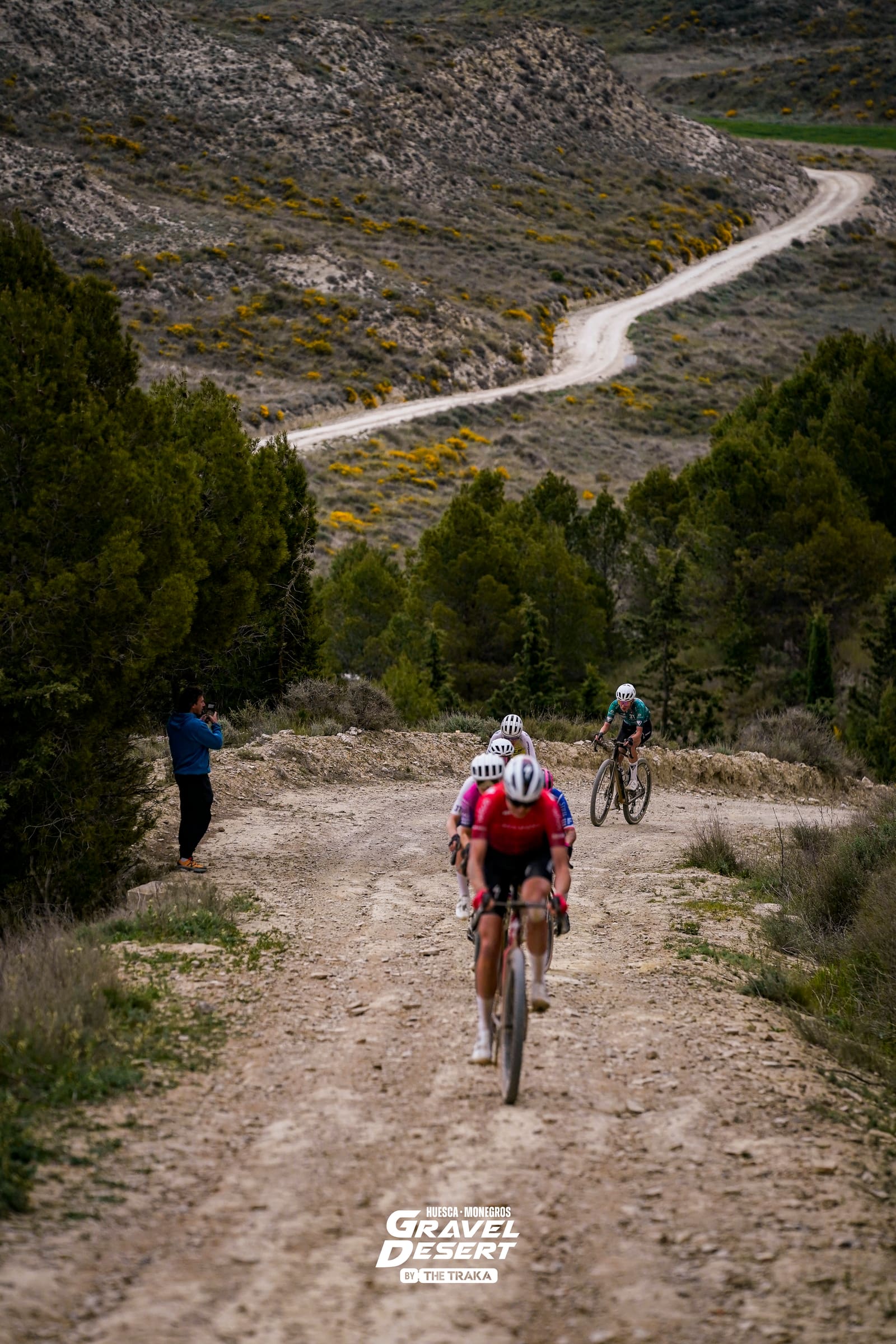
TL;DR. The km 150 collapse is almost never bad luck. It is usually the sum of three mistakes: overtraining without periodisation in the preceding weeks, starting above threshold in the first 80 km, and reactive rather than planned nutrition. It is prevented with 12 weeks of structured load and a pacing plan that respects your real FTP.
The collapse at km 150 is not bad luck. It is the result of three weeks of wrong decisions that come due at the worst possible moment.
What happens to the body between km 80 and km 150?
The pattern is always the same: the first 80 km go well, too well. You start at 3.2 w/kg when your threshold is 3.0. The group pulls hard, you hold on. The sensations lie. By the time the GPS reads 120 km, muscle glycogen is at 30%. By 150, you are done.
There is a direct cause and an indirect one. The direct cause is energetic: every 10 W above your aerobic threshold activates a metabolic pathway that burns through glycogen much faster. The indirect cause is neuromuscular: heart rate climbs, cadence drops, and the energetic cost of maintaining the same speed increases. When both curves intersect, performance falls off a cliff.
Was the problem the race or the three weeks before?
The problem is not the race. It is what you did in the three weeks before.
Overtraining without periodisation turns every ride into physiological debt. Without planned load and recovery weeks, you arrive on race day with your accumulated TSS through the roof and glycogen stores already compromised. Your FTP does not drop on paper, but the body can no longer sustain it for 6 hours.
What pacing strategy prevents the collapse?
Add to this the lack of pacing strategy. In endurance races of 150-200 km, the only valid strategy is to start below threshold for the first half. If you are at 90% of your FTP in the first 50 km, you have already lost the race.
Three operational rules:
- First 80 km: target IF 0.65-0.72. If your Garmin goes above that for more than 30 seconds, back off.
- Aid stations: 80-100 g/h of carbohydrates in a 2:1 glucose-fructose ratio from km 0. Do not wait until you are hungry.
- Last hour: this is where you are allowed to push. Races are won in the final third, not the first.
How do you train specifically to avoid failure?
PUSH TRAINING 360 works the three variables simultaneously: real periodisation with progressive load blocks, nutrition integrated into daily training to teach the body to use fat as fuel, and mental work to sustain effort when glucose drops and your head wants to stop. These are three interdependent systems. Failing in one collapses the other two.
Next time you ask yourself why you failed at km 150, start by reviewing the month before.
Frequently asked questions
Why do so many amateur cyclists collapse at km 150 of a gravel race?
Because they start 8-10% above their threshold for the first 2 hours and deplete muscle glycogen before km 120. Without reserves and with heart rate spiking, the body enters physiological debt and power drops sharply.
Is it a training problem or a race strategy problem?
It is a combination of both, but the biggest weight falls on the 3-4 weeks prior: if you have trained without periodisation, you arrive on race day with your accumulated TSS through the roof. Bad strategy only accelerates the collapse.
How do you avoid a glycogen failure at km 150?
Three levers: start below threshold for the first 80 km, ingest 80-100 g of carbohydrates per hour from km 0, and have done force endurance intervals (3-4 h at 75-80% of FTP) in the preceding weeks.
How soon should you start eating in a race to avoid the bonk?
From minute 30, not when hunger appears. By the time you feel hungry, you are already 200-300 kcal in deficit. Race nutrition is preventive, not reactive.
Preparing your next race?
Limited spots per edition. Training, nutrition and psychology integrated in one programme.
Apply now →